Mobile Braces
Procedure
 In recent years, orthodontics has evolved significantly, offering patients more flexible and discreet treatment options. Among these, mobile braces – also known as removable orthodontic appliances – have become increasingly popular among patients of all ages who want an effective yet convenient way to improve their smile without the constraints of fixed braces.
If you are considering orthodontic treatment and want a solution that fits seamlessly into your lifestyle, mobile braces may be the right choice. In this guide, you will learn how they work, who they are best suited for, and what to expect throughout the process, so you can make an informed decision together with a certified specialist within the PALMED network.
What are mobile braces?
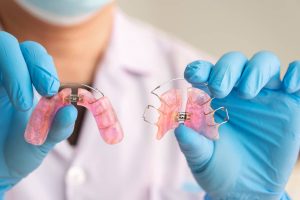
Mobile braces are orthodontic devices designed to correct mild to moderate dental issues. Unlike traditional fixed braces that are permanently attached to the teeth, they can be easily removed for eating, cleaning, and certain daily activities.
These appliances are typically made from acrylic plates and metal wires or springs that apply controlled pressure to guide teeth into the desired position. They are commonly used in interceptive orthodontics, particularly in children whose jaws are still developing, but they can also be effective for specific adult cases.
Removable braces are not intended to replace fixed orthodontic treatments in all cases. Instead, they serve as a targeted solution for specific problems, such as minor crowding, spacing, or bite correction. Effectiveness largely depends on patient compliance, as they must be worn consistently to achieve optimal results.
Who is the ideal candidate for removable braces?
Mobile braces are best suited for patients with mild to moderate orthodontic issues – slight misalignment, spacing between teeth, or early-stage bite problems – and they are particularly effective in growing children, guiding jaw development and preventing more complex issues later in life. Kids between the ages of 6 and 12 are often ideal candidates, as their bones are still developing and more responsive to orthodontic intervention. In such cases, removable braces can help shape the dental arches and create space for permanent teeth.
Adults can also benefit from these orthodontic devices, especially if they require minor corrections or prefer a more flexible and less visible treatment option. However, for complex cases involving severe crowding or significant bite misalignment, fixed braces or clear aligners may be more appropriate.
Components and structure of a mobile orthodontic appliance
A mobile orthodontic appliance consists of several key components, each playing a specific role in tooth movement and alignment.
- The acrylic baseplate forms the foundation of the appliance and sits comfortably against the palate (upper jaw) or along the inner side of the lower teeth. This is custom-made to fit the patient’s mouth precisely.
- Attached to the baseplate are metal wires, such as clasps and springs. Clasps help secure the appliance in place, while springs apply gentle pressure to move specific teeth.
- In some cases, expansion screws are included to gradually widen the dental arch.
The design of the appliance varies depending on the patient’s needs. Orthodontists carefully customize each component to ensure effective and controlled tooth movement while maintaining comfort.
Key benefits of choosing mobile braces
- One of the most significant advantages of mobile braces is their removability. Patients can take them out during meals, making it easier to maintain oral hygiene and avoid dietary restrictions commonly associated with fixed braces.
- Another important benefit is comfort. They cause less irritation to the gums and cheeks compared to traditional devices, as they lack brackets and wires that can rub against soft tissues.
- From an aesthetic perspective, removable braces are often more discreet. While not entirely invisible, they are less noticeable, making them a preferred option for patients concerned about appearance.
- Additionally, they offer flexibility and convenience, allowing patients to remove them for special occasions. However, this flexibility also requires discipline, as inconsistent use can compromise treatment outcomes.
The step-by-step process of removable orthodontic treatment
Understanding the step-by-step process of removable orthodontic treatment is essential for setting realistic expectations and ensuring optimal results. From the initial consultation to the retention phase, each stage plays a crucial role in achieving proper tooth alignment and long-term stability.
Initial consultation and diagnosis
The process begins with a comprehensive evaluation of the patient’s dental structure using clinical examination, X-rays, and digital scans. Additionally, the orthodontist may assess jaw growth, bite relationships, and oral habits that could influence treatment outcomes. This step is essential for determining whether mobile braces are suitable for the case.
Treatment planning
Based on the diagnosis, a personalized treatment plan is created. It outlines the type of appliance, expected duration, and specific goals, such as correcting alignment or improving bite function. The plan also takes into account the patient’s age, compliance level, and overall oral health.
Appliance fabrication
The orthodontic appliance is custom-made in a dental laboratory using precise measurements and impressions of the patient’s teeth to ensure a perfect fit and optimal functionality. Advanced technologies, such as digital modeling, may also be used to improve accuracy and comfort.
Fitting and instructions
Once the appliance is ready, the patient returns for fitting. The orthodontist adjusts the device and provides detailed instructions on how to wear, remove, and care for it properly. Patient is also informed about the recommended daily wearing time and what to expect during the initial adaptation period.
Regular adjustments and monitoring
Periodic check-ups are essential to monitor progress and make necessary adjustments. The orthodontist may activate screws or modify wires to ensure continuous tooth movement. These visits also help identify any issues early, such as improper fit or reduced compliance.
Completion and retention phase
After achieving the desired results, the patient may need to wear a retainer for a few months to maintain the new tooth position. Although protocols may vary, consistent use of this appliance is essential for preserving long-term orthodontic results and preventing relapse.
Mobile vs fixed braces: which one is right for you?
Choosing between mobile and fixed braces depends on the complexity of the orthodontic issue, lifestyle preferences, and treatment goals. Ultimately, the decision should be made in consultation with an orthodontist, who can recommend the most appropriate treatment based on individual needs.
Removable braces are ideal for mild cases and offer flexibility, comfort, and easier hygiene. However, they rely heavily on patient compliance and may not be suitable for complex corrections.
Fixed braces, on the other hand, are more effective for severe misalignment and bite issues. They provide continuous pressure and do not depend on patient discipline, but they come with dietary restrictions and require more meticulous oral care.
Cost of teeth straightening with mobile braces
The cost of removable appliancces varies depending on several factors, including the complexity of the case, duration of treatment, and the specific type of device used. In general, they are more affordable than fixed braces or advanced aligner systems. This makes them an attractive option for patients seeking cost-effective solutions.
However, it is important to consider the long-term value of treatment. Choosing the right appliance from the start can prevent the need for more expensive interventions later. Patients are encouraged to consult healthcare providers within the PALMED network to receive transparent pricing and access high-quality services at a fair cost.
Treatment duration: how long should you wear mobile braces?
The duration of treatment with mobile braces varies from case to case. On average, patients may need to wear them for 6 to 18 months, 12 to 20 hours per day, depending on the severity of the orthodontic issue. Consistency is key, and irregular use can significantly prolong treatment time.
In some cases, these devices are used as a preliminary phase before transitioning to fixed braces. In others, they may be sufficient as a standalone treatment.
Mobile braces for all ages: children vs adults
Mobile braces can be adapted to different stages of life, but their purpose and effectiveness often vary depending on the patient’s age. Because the teeth, jawbones, and surrounding tissues respond differently in children than in adults, orthodontists evaluate each case individually before recommending them. Understanding how removable appliances work across age groups can help patients and parents make informed decisions about the most suitable treatment approach.
Orthodontics for kids and teens
Children and teenagers are the primary beneficiaries of mobile braces, as orthodontic appliances used during growth phases can guide jaw development and correct alignment issues early. This helps reduce the need for more complex treatments later, while also improving both function and aesthetics. In addition, these appliances are generally well tolerated by younger patients due to their comfort and adaptability.
Removable solutions for adults
As more adults seek orthodontic treatment for both aesthetic and functional reasons, mobile braces can be a viable option for minor corrections, particularly for those who prefer a less invasive approach. However, successful outcomes depend on a high level of patient compliance, as the appliance must be worn consistently. In some cases, alternative treatments, such as clear aligners, may be recommended.
Orthodontic excellence: removable treatment options in Romania
Romania has become an important hub for high-quality medical services, including orthodontics. Through the support of organizations like PALMED, patients benefit from access to modern technologies, experienced specialists, and competitive pricing.
Private healthcare providers within the PALMED network ensure high standards of care, offering personalized treatment plans and advanced orthodontic solutions tailored to each patient’s needs. You can expect a patient-centered approach, rapid access to services, and a strong emphasis on quality and safety.
Frequently Asked Questions (FAQ)
Can I eat normally while wearing mobile braces?
Yes, one of the main advantages of mobile braces is that they can be removed during meals. This allows you to eat normally without worrying about damaging the appliance. However, it is important to clean your teeth before reinserting the braces to maintain proper oral hygiene.
Will mobile braces affect my speech?
Some patients may experience slight speech changes when they first start wearing mobile braces. This is usually temporary and improves as the tongue adapts to the appliance. Practicing speaking and reading aloud can help accelerate this adjustment.
How do I clean my removable braces correctly?
Cleaning your mobile braces is essential to prevent bacteria buildup. They should be rinsed after each removal and brushed gently with a toothbrush and mild soap or a special cleaning solution. Avoid using hot water, as it can deform the appliance.
Ready to transform your smile? Contact one of our trusted partners
Choosing the right orthodontic treatment is an essential step toward improving both your oral health and overall confidence. Take action today and schedule a consultation with a certified specialist within the PALMED network to discover the most suitable option for your needs.
Our trusted partners provide personalized treatment plans tailored to each patient, taking into account dental structure, lifestyle, and aesthetic goals. They also offer expert guidance throughout every stage of the process so you can feel confident that your smile is in safe and experienced hands.