
Dental Crown
Procedure
The dental crown is one of the most reliable and widely used treatments in modern dentistry. Designed to fully cover and protect a damaged tooth, it restores not only its strength and function, but also its natural appearance. Whether recommended after a root canal, needed for a fractured or severely worn tooth, or chosen to improve aesthetics, it plays a crucial role in preserving long-term oral health.
Beyond the clinical aspect, patients are often interested in understanding the procedure itself, the available materials, the tooth preparation process, durability, and, of course, the dental crown cost. The PALMED guide offers a clear and comprehensive overview of everything you need to know about this treatment.
What is a dental crown?
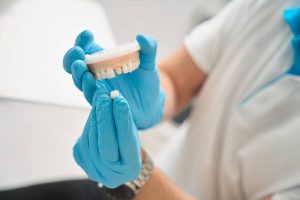
A dental crown, also commonly referred to as a tooth crown or tooth cap, is a fixed prosthetic restoration that fully covers the visible portion of a damaged tooth above the gum line. Unlike a filling, which replaces only a small area of lost structure, the crown encases the entire surface, providing support, stability, and protection against further damage. It reinforces weakened areas, restores natural shape, improves bite function, and enhances the overall appearance.
Crowns can be used on any tooth – from molars that bear heavy chewing forces to front teeth needing aesthetic reconstruction.
Why and when do you need a crown?
A dental crown may be recommended for several reasons:
- to restore a broken or cracked tooth that cannot be adequately repaired with a filling;
- after a root canal procedure, when a treated tooth is left weakened and prone to fracture;
- to cover a large filling where not enough natural tooth remains to support a traditional restoration;
- for cosmetic improvement, such as improving discolored, misshapen, or uneven teeth;
- following a dental implant, acting as the visible artificial tooth attached to the implant post.
Tooth Crown vs. Tooth Cap – What’s the Difference?
You may have heard the terms “tooth crown” and “tooth cap” used interchangeably. In everyday language, both refer to the same thing: a restoration that covers and protects a tooth. But is there a difference? Actually, no.
- Dental crown is the clinical, professional term used by dentists and in medical literature.
- Tooth cap is a more informal term, commonly used by patients and some general practitioners.
Regardless of the term, the purpose is the same: to encase a compromised tooth in a custom‑made protective covering.
What makes up a tooth crown?
A dental crown has several key components and design features.
- Outer Shell: the visible surface that resembles natural tooth enamel, matched in shape and color.
- Internal Core: a strong substructure designed to distribute chewing forces evenly.
- Margin: the edge where the crown meets the prepared natural tooth; a precise fit is essential to prevent bacterial leakage.
- Occlusal Surface: the part that contacts opposing teeth; this must be shaped properly for effective chewing and comfort.
Modern crowns balance strength and cosmetic appearance, using advanced materials that mimic natural enamel.
What are tooth crowns made from?
Dental crowns are made from a variety of materials, each with unique advantages and considerations. The choice depends on location in the mouth, aesthetic demands, bite force, and patient preferences.
Advances in dental technology have made it possible to create crowns that are both highly durable and visually natural, allowing patients to restore function without compromising appearance.
Porcelain Crowns
Porcelain crowns are highly valued for their natural look, closely mimicking the color and translucency of real tooth enamel. They are particularly suited for visible front teeth where aesthetics are a priority.
Key features:
- excellent for front teeth;
- provide outstanding aesthetic results;
- slightly less durable under heavy bite forces compared with stronger ceramics.
Zirconia Dental Crowns
Zirconia crowns offer a balance of strength and visual appeal. Made from high‑strength ceramic, they can withstand significant chewing forces while maintaining a natural appearance.
Key features:
- suitable for both front and back teeth;
- highly resistant to wear and fracture;
- can be color-matched for a natural look.
E‑max Crown
E‑max crowns are crafted from lithium disilicate ceramics, designed to combine durability with exceptional aesthetics. They are ideal for patients seeking both strength and a cosmetic finish.
Key features:
- durable and aesthetically pleasing;
- frequently used in cosmetically demanding areas;
- more translucent than traditional zirconia crowns.
Metal‑Based Crowns
Metal crowns, particularly gold alloy crowns, are known for their exceptional durability and longevity. They are typically used in areas where strength is more critical than appearance.
Key features:
- excellent long-term performance;
- often used for back molars;
- less popular for front teeth due to metallic appearance.
How to chose the right material for your crown
Choosing the right material involves input from both the dentist and the patient. Key factors include:
- location of the tooth – back teeth bear heavier chewing forces, so stronger materials like zirconia or metal crowns may be preferred;
- aesthetic needs – front teeth often benefit from porcelain or E‑max due to their natural appearance;
- budget considerations – some materials are more costly due to manufacturing and customization processes;
- lifestyle factors – habits such as teeth grinding (bruxism) may influence choice toward stronger materials.
Your dentist will evaluate oral health, bite dynamics, and long‑term function when recommending a material.
Benefits of a dental crown
Dental crowns offer far more than a simple cosmetic fix or tooth replacement. They are a versatile restorative solution that not only strengthens and protects damaged teeth but also enhances functionality, appearance, and long-term oral health. Modern dental materials and techniques allow crowns to blend durability with aesthetics, providing patients with solutions that improve both oral function and overall confidence.
Strength and Protection
Crowns fully encase a weakened or damaged tooth, reinforcing it against fractures, wear, and further decay. By providing a protective shell, crowns reduce the risk of tooth loss and can prevent the need for more invasive procedures, such as extractions or complex restorations. This makes them especially valuable for teeth that have undergone root canal therapy or have large fillings.
Improved Chewing and Functionality
Once a crown is fitted, the tooth regains its natural shape and strength, allowing patients to bite and chew efficiently. Crowns restore proper occlusion, making it easier to eat a wide variety of foods without discomfort or risk of damaging the underlying tooth. This functional improvement contributes significantly to overall oral health and nutrition.
Aesthetic Enhancement
Crowns can correct imperfections in tooth shape, color, and alignment, providing a uniform and natural-looking smile. Porcelain, zirconia, and E-max crowns are designed to mimic natural enamel, blending seamlessly with adjacent teeth. By improving aesthetics, crowns can boost self-confidence and encourage better oral hygiene habits.
Longevity and Durability
Modern crowns, whether ceramic or metal-based, are built to last. With proper oral hygiene and regular dental check-ups, crowns can remain functional and visually appealing for many years. Their durability makes them a cost-effective long-term solution for restoring compromised teeth.
Compatibility with Other Treatments
Crowns are highly versatile and can be integrated with other dental procedures. They are commonly used in conjunction with root canal treatments, dental implants, bridges, and orthodontic therapy. This compatibility allows dentists to create comprehensive, customized treatment plans that preserve oral health and improve smile outcomes.
Dental crown procedure. What’s involved?
A dental crown procedure is carefully planned to restore both function and aesthetics while protecting the underlying tooth. Each step is designed to ensure a precise fit, long-term durability, and patient comfort. Advances in dental technology, including digital scanning and high-quality materials, have made the process more predictable and less invasive.
Initial Evaluation: Clinical and Imaging
The process begins with a thorough evaluation of oral health. The dentist examines the tooth, reviews X-rays, and determines if a dental crown is the best restorative solution. In some cases, a root canal may be recommended beforehand to eliminate infection or preserve the tooth structure. This careful assessment ensures optimal functionality and long-term results.
Tooth Preparation for Crown
Tooth preparation for crown involves adjusting the natural tooth to create enough space for the restoration. Damaged or decayed portions are removed, ensuring a stable foundation. Proper shaping is critical for the dental crown to fit accurately, provide protection, and maintain a comfortable bite.
Impression or Digital Scan
After the tooth is prepared, an impression or digital scan is taken to design the custom tooth crown. Traditional molds or modern intraoral scanners capture precise details of the tooth and surrounding teeth. Digital scanning improves accuracy, reduces patient discomfort, and accelerates the creation of a well-fitting, durable crown.
Temporary Crown Fitting
While the permanent crown is being fabricated, a temporary crown is placed to protect the prepared tooth. This short-term restoration preserves function, prevents sensitivity, and maintains the appearance of your smile. Although less durable and less aesthetically refined than the permanent solution, it provides comfort and protection until the final crown is ready.
Permanent Crown Placement
Once the permanent tooth crown is ready, the dentist removes the temporary crown and positions the new one. Dental cement or adhesive is used to secure it firmly in place. Final adjustments ensure proper bite alignment, comfort, and natural function. Patients leave the office with a fully restored tooth that blends seamlessly with surrounding teeth.
Aftercare and longevity
After your crown is placed, caring for it properly can significantly impact how long it lasts. Most crowns last 10-15 years or more, but it depends on material, oral hygiene, and habits like grinding or chewing hard foods. To help extend its life, we recommend:
- brushing twice daily with a soft‑bristle toothbrush;
- flossing around the crown to prevent plaque buildup and gum irritation;
- avoiding extremely hard foods that could crack the restoration;
- attending regular dental check‑ups and cleans.
What is the price of a tooth crown?
The dental crown cost can vary widely based on:
- material (porcelain and zirconia tend to cost more);
- location of the dental clinic;
- complexity of the case and preparatory treatments (e.g., root canal);
- need for digital scanning or advanced fabrication techniques.
Private providers typically offer transparent pricing and financing options, often accompanied by personalized treatment planning.
Dental Crowns in Romania
Romania has a growing network of highly qualified dental professionals offering modern restorative care, including dental crowns. Private dental clinics provide comprehensive services with:
- advanced diagnostic tools (digital imaging and scanning);
- a wide selection of crown materials;
- personalized treatment planning and aftercare guidance;
- competitive costs and transparent pricing.
Dental clinics affiliated with PALMED are among the leading providers of quality restorative dentistry across the country. These clinics combine international standards with individualized care, ensuring patients receive functional, aesthetic, and long‑lasting results.
Take the First Step Toward a Healthy, Beautiful Smile with PALMED Partner Clinics
If you or a loved one have been advised to pursue restorative treatment, early evaluation and professional guidance are key to achieving the best results. PALMED’s partner dental clinics provide modern, patient-centered care, with experienced specialists ready to support you throughout your treatment journey.
Whether it’s for a broken tooth, ongoing oral health maintenance, or long-term smile enhancement, expert dental care can make all the difference. Reach out to one of PALMED’s partner clinics today to schedule a consultation and take the first step toward restored dental health with confidence.
FAQ
What happens after you have a crown fitted?
You may experience mild post-procedure sensitivity for a few days. Proper brushing, flossing, and regular dental check‑ups help ensure your tooth and crown remain healthy.
How to care for your capped teeth
Brush twice daily, floss gently around the crown margins, avoid hard or sticky foods, and maintain regular dental visits to prolong the crown’s life.
How long do dental crowns last?
Dental crown longevity varies depending on the material and oral habits. With proper care and routine dental maintenance, most crowns can last 10–15 years or longer.